

Insights
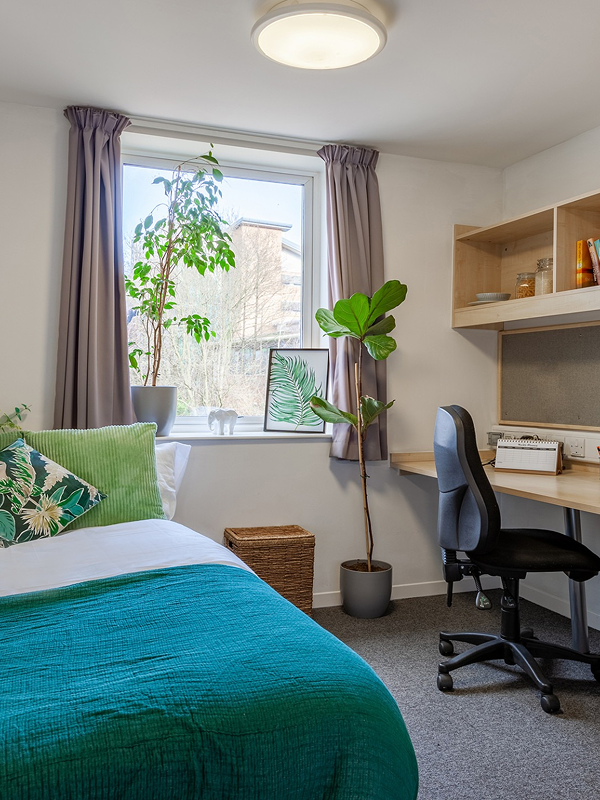
Our general accommodation provision
Each tenant will be provided with their own private bedroom. Each of our bedrooms is well decorated and may be personalised. We strive to provide our tenants with the responsibility of having a well looked after room to promote their sense of responsibility and ownership. The house has unlimited Wi-Fi and television in the lounge.
The kitchen is equipped with excellent cooking facilities which include a fridge freezer, toaster, microwave oven and shared kettle. The use of all communal areas in the house, Kitchen/Living room/Garden/Bathroom/laundry are all for tenants to enjoy. There is also the shared iron and ironing board.
Welcome to the Insights page. This section is dedicated to providing practical, up-to-date guidance for tenants navigating the UK housing and financial landscape in 2026.
Opening a bank account is a critical step toward financial independence, but providing “proof of address” can be a major hurdle if you are in temporary housing or sleeping rough. Here is how to navigate the process:
1. The "No Fixed Address" Program (HSBC & Lloyds)
Major high-street banks, notably HSBC UK, partner with charities like Shelter and Crisis to offer accounts specifically for those without a permanent home.
◦ How to apply: You cannot usually walk in off the street for this. You must be receiving support from a registered local charity. A caseworker will then book an appointment at a participating branch and provide a letter that acts as your “address.”
2. Challenger & Digital Banks
Apps like Monzo, Revolut, or Monese often have more flexible identity checks. In many cases, you only need a smartphone and a valid photo ID (like a Passport or BRP). While they may still ask for an address to send your card, some allow you to use a “care of” address (a friend’s house or a support center).
3. Basic Bank Accounts
If you have a low credit score or limited documentation, ask specifically for a Basic Bank Account. By law, the UK’s largest banks must offer these to anyone who doesn’t have a disqualifying criminal record. They do not have overdrafts or monthly fees, making them easier to open with alternative ID.
Mental Health Resources for New Tenants
The stress of moving, financial pressure, or settling into a new area can take a toll. Use these dedicated resources to protect your wellbeing:
* NHS Talking Therapies: You can self-refer for free, confidential support for anxiety or depression without seeing a GP first. Visit the NHS website and search “Talking Therapies” to find your local provider.
* Mind (Housing & Mental Health): The charity Mind offers a specialized guide for tenants. They provide advice on how to handle “rent anxiety” and how to talk to your landlord if your mental health is affecting your ability to manage your tenancy.
* Hub of Hope: This is the UK’s most comprehensive mental health support database. Simply enter your postcode to find everything from national helplines to local grassroots support groups in your new neighborhood.
* The Tenant Support & Wellbeing Service (TSWS): Check if your housing association or local council provides access to this 24/7 helpline. It offers professional counseling and legal/debt advice specifically for residents.
Financial Safety Nets
The Household Support Fund If you are struggling with the cost of living in 2026, you may be eligible for the Household Support Fund.
* What it covers: This is a government grant distributed by local councils to help with essential costs like energy bills, water, and food.
* How to access: Contact your local council’s “Housing Solutions” or “Financial Inclusion” team. Unlike Universal Credit, this fund is often available even if you are working but on a low income. . . . . . . . . . . Quick Links for Immediate Help
* Shelter England: 0808 800 4444 (Emergency housing advice)
* Citizens Advice: National Adviceline for tenancy rights and debt help.
* Samaritans: 116 123 (24/7 free listening service)